
Why Unique Kona Coffee Traits Make It So Special

If you’re anything like me, coffee isn’t just a drink - it’s a ritual, a moment of joy, and sometimes, a little adventure in a cup. And when it comes to adventure, few coffees can match the charm and character of Kona coffee. But what exactly makes Kona coffee beans so unique? Let’s dive into the world of this Hawaiian treasure and uncover the secrets behind its one-of-a-kind flavor and story.
The Unique Kona Coffee Traits That Set It Apart
Kona coffee is not your everyday brew. It’s grown in a very specific region on the Big Island of Hawaii, where the climate, soil, and elevation come together like a perfect symphony. This combination creates coffee beans with a flavor profile that’s smooth, rich, and just a little bit magical.
Here’s what makes Kona coffee stand out:
Volcanic Soil: The rich, mineral-packed volcanic soil of the Kona district provides nutrients that coffee plants love. This soil helps develop complex flavors in the beans.
Ideal Climate: Kona’s unique weather pattern - sunny mornings, cloud-covered afternoons, and mild nights - creates the perfect environment for coffee cherries to ripen slowly and evenly.
Elevation: Grown between 800 and 2,500 feet above sea level, the altitude helps the coffee cherries mature at a steady pace, enhancing their sweetness and acidity.
Small-Scale Farming: Many Kona coffee farms are family-owned and operated, focusing on quality over quantity. This hands-on approach means each batch gets the attention it deserves.
These traits combine to produce a coffee that’s bright, aromatic, and incredibly smooth. It’s no wonder coffee lovers around the world seek out Kona coffee for their morning cup!
What Kind of Bean Is Kona Coffee?
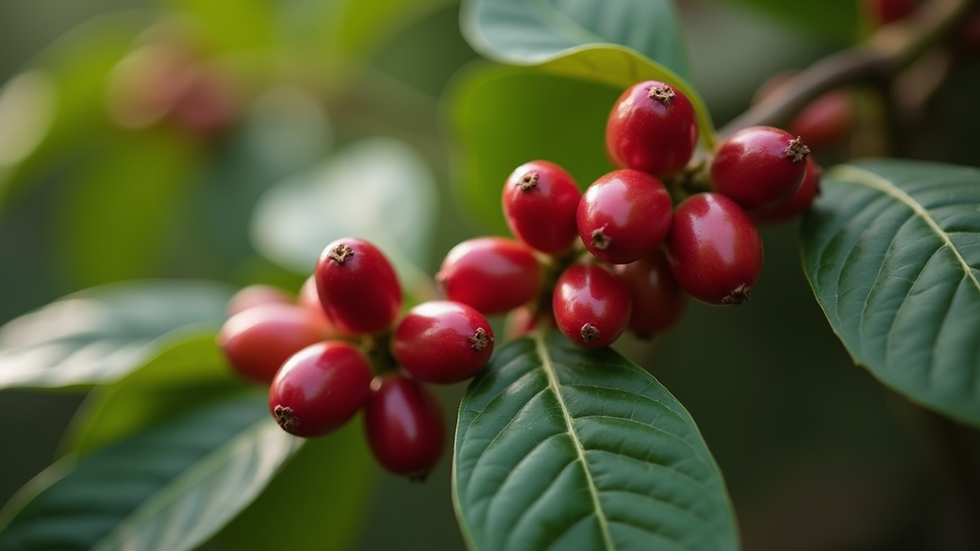
You might be wondering, “Is Kona coffee a special type of bean?” The answer is yes and no. Kona coffee is primarily made from the Arabica species, specifically the Typica variety. Arabica beans are known for their delicate flavor and aromatic qualities, which perfectly suit the Kona region’s growing conditions.
Typica beans have a long history and are considered the original coffee variety from which many others have descended. In Kona, these beans develop a unique flavor profile thanks to the environment and farming practices. You won’t find the same taste anywhere else!
The Typica variety in Kona tends to have:
A mild yet complex flavor
Bright acidity balanced with a smooth body
Notes of nuts, fruit, and sometimes a hint of chocolate
This makes Kona coffee a favorite for those who appreciate subtlety and depth in their cup.
How Farming Practices Enhance Kona Coffee’s Uniqueness
One of the coolest things about Kona coffee is the way it’s grown. Unlike massive commercial coffee plantations, Kona farms are often small, family-run operations. This means the farmers are deeply connected to their land and their craft.
Here’s how their approach makes a difference:
Hand-Picking: Coffee cherries are hand-picked at peak ripeness, ensuring only the best fruit makes it to processing.
Careful Processing: After harvesting, the beans go through meticulous processing methods like wet processing, which helps preserve the delicate flavors.
Sustainable Farming: Many Kona farmers use eco-friendly practices, such as shade-growing and organic fertilizers, to protect the environment and maintain soil health.
Farmer-Roaster Connection: Some farms, like Rooster Farms, take pride in being both growers and roasters. This “farm-to-cup” approach guarantees freshness and quality control every step of the way.
This hands-on, sustainable approach means that every cup of Kona coffee carries the passion and dedication of the people who grow it.
Brewing Tips to Get the Most Out of Your Kona Coffee
Okay, so you’ve got your hands on some kona coffee beans - now what? To truly appreciate their unique traits, you want to brew them just right. Here are some friendly tips to help you get the best flavor:
Use Fresh Beans: Coffee tastes best when brewed within a few weeks of roasting. Buy small batches and store them in an airtight container away from light and heat.
Grind Just Before Brewing: Grinding releases the coffee’s aroma and flavor. Use a burr grinder for consistent particle size.
Water Quality Matters: Use clean, filtered water heated to about 195-205°F (90-96°C). Too hot or too cold can mess with the taste.
Choose Your Brewing Method: Kona coffee shines in drip coffee makers, pour-over, and French press. Each method brings out different flavor notes.
Mind Your Ratios: A good starting point is 1 to 2 tablespoons of coffee per 6 ounces of water. Adjust to your taste!
Experimenting with these tips will help you unlock the full potential of your Kona coffee experience.
Why Supporting Kona Coffee Farmers Matters
When you buy Kona coffee, you’re not just getting a delicious cup - you’re supporting a community. These farmers work hard to maintain sustainable practices and preserve the unique environment that makes Kona coffee possible.
Supporting Kona coffee means:
Encouraging sustainable agriculture that protects Hawaii’s natural beauty
Helping small family farms thrive in a competitive market
Promoting transparency and quality through farm-to-cup relationships
By choosing Kona coffee, you’re making a conscious choice to enjoy something special while supporting ethical farming and local communities.
So, next time you sip on a cup of Kona coffee, remember - you’re tasting the magic of volcanic soil, the care of dedicated farmers, and a tradition that’s as rich as the coffee itself. It’s not just coffee; it’s a story in every sip! ☕🌺


Comments